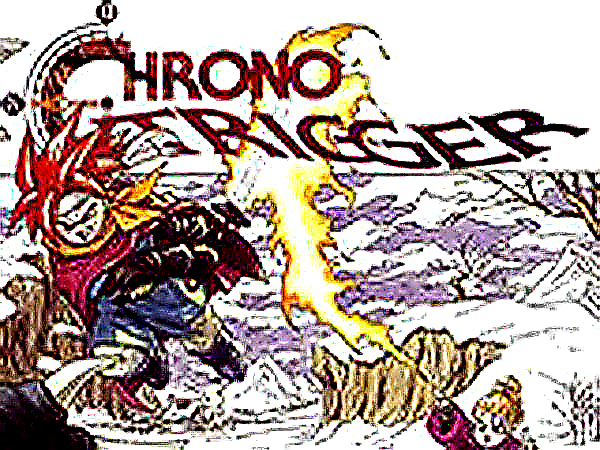
Chrono Trigger Classic RPG
Reviews
Chrono Trigger Classic RPG remains a benchmark for time-travel storytelling in games. Its structure lets players move between distinct eras, from prehistory to a ruined future, and the turn-based combat rewards experimenting with character combinations for combo techniques. Multiple endings tied to player choices give the narrative weight. The online version uses keyboard controls and save points, preserving the original 16-bit aesthetic. It suits players who enjoy story-driven RPGs and are comfortable with retro pacing, though those seeking modern conveniences may find the manual saving and keyboard mapping dated.
About This Game
Time-Hopping Structure
Chrono Trigger Classic RPG builds its adventure around a teleporter accident that flings a group of young heroes from the kingdom of Guardia 400 years into the past. From there, the party moves between distinct eras, from prehistoric ages to a post-apocalyptic future. Each era has its own environments and challenges, and the overall goal is to prevent a global catastrophe. Progress depends on exploring these periods, talking to characters, and piecing together how events in one era affect another.
Turn-Based Combat and Combo Attacks
Battles are turn-based, and the standout mechanic is the ability to combine attacks between characters to produce more powerful combo techniques. This means party composition matters beyond raw stats: pairing certain characters opens up different combo options. Players also need to manage healing items during fights. Save points are scattered throughout the world, so recording progress regularly is a practical habit rather than an optional one.
Controls and Menu Access
Movement uses the arrow keys, Enter starts the game, and Shift opens the menu. In-game actions are mapped to letter keys: X performs action A, Z performs action B, C performs action X, and S performs action Y. The menu is where players manage items, equipment, and other RPG systems. Because the control scheme is keyboard-based, new players should take a moment to memorize the action keys before entering combat.
Exploration, Choices, and Endings
Exploration is central. Talking to every character often yields hints or side quests, and searching each era thoroughly can uncover hidden items and secrets. The narrative includes multiple endings that depend on player choices, so attention to the story and decisions affects how the game concludes. The game preserves a classic 16-bit aesthetic and a complete RPG progression system, which is why it has influenced the genre for decades.
Editorial Notes
Compatibility
System Requirements



Comments
0 comments