
Precision Hoops Basketball Arcade
Reviews
Precision Hoops Basketball Arcade keeps its scope narrow: drag or tap to aim, release to shoot, and score before misses end the run. That simplicity is its main strength for casual players who want a quick browser session. The miss limit creates a clear risk-reward decision on every shot. The trade-off is limited depth—there are no teams, seasons, or player management systems described. It suits fans of casual sports games and short breaks.
About This Game
Aiming and Power Control
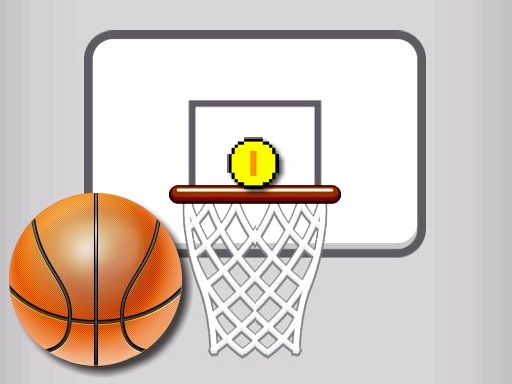
Precision Hoops Basketball Arcade is built around one repeating action: sending a basketball into the hoop. You control the aim by dragging or tapping on the screen, then release to throw. The drag distance or tap strength determines the force, so every shot is a small judgment call about direction and power. There is no timer or opponent—just you, the ball, and the hoop.
Scoring and the Miss Limit
Every successful basket adds points to your total. Misses do not subtract points, but each one counts against a fixed miss limit. Once that limit is reached, the game ends and your final score is locked in. This structure changes how you play: risky, low-percentage shots become less attractive as the miss count rises, while steady, repeatable releases keep a run alive.
Browser-Based and Family Friendly
The game runs directly in a web browser. No download, installation, or account is needed, and it works with both mouse and touch input. That makes it easy to start on a laptop, tablet, or phone. The content is designed for a broad audience, so it suits younger players and adults looking for a short, low-pressure sports game.
What Makes a Good Run
Consistency matters more than speed. Players who adjust throw strength based on distance to the hoop and stay calm near the miss limit tend to last longer. Because the core loop is simple, improvement comes from repeating shots and building a feel for how much drag produces the right arc. Short breaks and longer sessions both work, since the game has no forced stopping point beyond the miss limit.
Editorial Notes
Compatibility
System Requirements






Comments
0 comments