Precision Shot Arcade Puzzle
Reviews
Precision Shot Arcade Puzzle targets players who enjoy planning a shot before taking it. The limited projectile count turns each stage into a small resource puzzle, and star pickups add a scoring incentive to aim beyond the obvious target. Bright visuals and responsive controls keep the experience clean. The gradual difficulty curve suits short breaks and longer sessions alike. Its main limitation is that the core loop stays consistent, so players seeking constant novelty may find it repetitive. Those who value precision and patience will get the most from it.
About This Game
Core Aiming and Firing
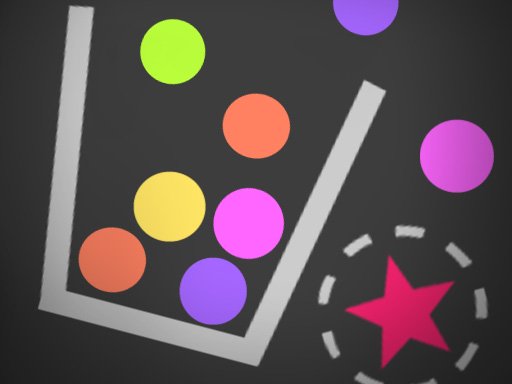
Precision Shot Arcade Puzzle puts you behind a launching device. Your job is to adjust the angle and direction, then release a projectile toward targets arranged across each stage. A mouse or touch input handles both aiming and firing, so the barrier to entry is low. The real test comes from the physics: projectiles travel with simulated weight and momentum, meaning a shot that looks close may still miss if you rush the release. [IMG_1]
Targets, Stars, and Limited Shots
Every stage asks you to hit all designated targets and collect star-shaped pickups. Stars feed into your overall score, so they are not optional decoration. Because each stage gives you a limited number of projectiles, every shot carries weight. A direct hit on a target is efficient, but a single shot that clips a star and then bounces into a target is better. The game rewards players who read the layout before firing rather than those who fire quickly and hope. [IMG_2]
Level Design and Rising Difficulty
Stages introduce fresh obstacle arrangements and tighter spaces as you progress. Early layouts leave generous room for error; later ones shrink the margin until precise angles and bounce routes become necessary. Walls and surfaces can be used to redirect projectiles into spots that a straight shot cannot reach. The gradual difficulty curve keeps the challenge steady without spiking into frustration, which suits short sessions as well as longer ones.
Controls and Visual Feedback
The control scheme is intentionally simple: aim, then release. That simplicity lets the physics do the work of making each successful shot feel earned. Bright visuals and responsive input mean you always understand why a shot succeeded or failed. There is no timer pressure described, so patience is a viable strategy. Players who enjoy planning a route through a puzzle and then executing it with a clean shot will find the loop satisfying.
Editorial Notes
Compatibility
System Requirements







Comments
0 comments