Missing Piece Art Challenge
Reviews
Missing Piece Art Challenge is a quiet puzzle game built around a single idea: finish an incomplete picture by drawing the missing section. Its strengths are accessibility and pacing. No timers, scores, or complex menus get in the way, and controls work on both touchscreens and mice. The level sequence gradually shifts from simple shapes to more precise line work, and themes rotate between nature and everyday objects. It suits players who want a low-pressure creative break, families drawing together, or anyone who finds focused, repetitive tasks relaxing. The main limitation is that it offers no competitive or scoring layer, so players seeking challenge or progression systems may find it too gentle.
About This Game
What You Actually Do
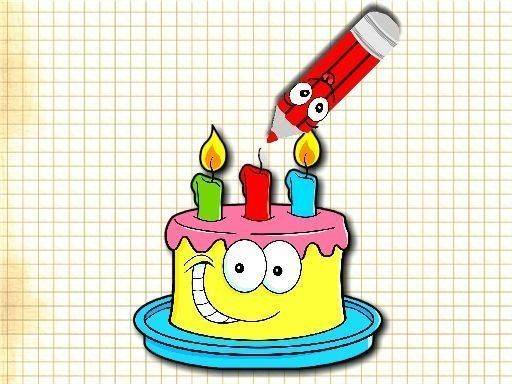
Each level shows a picture with one distinct section removed. Your job is to draw that missing portion so the image reads as a complete composition. The game does not grade your artistic technique; it asks you to look carefully at the surrounding colors, shapes, and lines, then add strokes that fit. The drawing interface is deliberately plain: the incomplete picture sits on screen, and a blank area captures your strokes. There are no complex menus or settings to negotiate.
How Levels Build On Each Other
Levels are arranged in a sequence that gradually changes what kind of missing element you face. Early stages tend to ask for simple shapes, while later ones demand more precise line placement. Themes shift from level to level, moving between nature scenes and everyday objects. That variety keeps the task from feeling repetitive without turning it into a test of skill. You can revisit any completed level to try a different drawing approach or simply look at the finished artwork again.
Controls and Pace
Controls work equally well on touchscreens and with a mouse, so the game fits phones, tablets, and computers without adjustment. There are no timers and no scores. Nothing pressures you to draw quickly, which makes the activity suitable for a short break or a longer session. The focus stays on the process: looking, thinking, and drawing. Many players describe the activity as meditative because it asks for concentration on a single task without external distractions.
Who It Suits
The content is appropriate for all ages, with no violence, complex themes, or inappropriate material. Simple controls mean even young children can take part with minimal guidance, while the puzzle element gives older players enough to engage with. It works as a shared activity too: family members can take turns completing pictures or talk through different ways to fill the gaps.
Editorial Notes
Compatibility
System Requirements
Comments
0 comments