Playful Arena Defender
Reviews
Playful Arena Defender succeeds by making evasion, not combat, the central skill. Its physics-based hazards and 50-plus hand-crafted arenas keep matches unpredictable, while local two-player support gives it a natural party-game role. The absence of online multiplayer limits its reach for solo players, but the easy-to-learn controls and family-friendly tone make it a solid choice for local sessions with friends or children.
About This Game
Evasion as the Core Objective
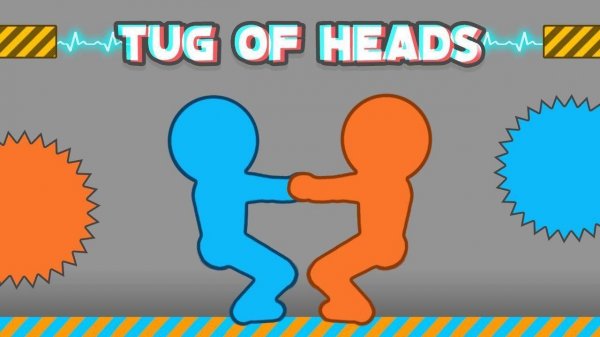
Playful Arena Defender swaps direct combat for survival through movement. Your goal is to keep your character safe from environmental hazards and opponent moves. Instead of attacking, you read incoming threats, position yourself carefully, and time your dodges. The physics-based mechanics make every match slightly unpredictable, so quick thinking matters more than memorizing a single safe route. The game avoids violence entirely, focusing on playful interaction and friendly rivalry.
Arena Layouts and Shifting Hazards
The game includes over 50 hand-crafted levels, each with distinct layouts and changing conditions. Arenas introduce new hazards and patterns, requiring you to adjust your strategy rather than repeat one tactic. Moving platforms and shifting obstacles test your reflexes and creativity. [IMG_1] Because conditions change, no two playthroughs feel identical. Cartoon-style visuals and colorful characters keep the atmosphere whimsical and appropriate for all ages. The level design supports both solo and local two-player modes.
Match Setup and Local Play
Before each match, you select how many sets to play, which lets you adjust session length to your preference. Quick matches and longer sessions are equally supported. The game does not include online multiplayer, focusing instead on local social play. In single-player you face CPU opponents; in two-player mode you challenge a friend locally. The set system provides a structured way to compete, with each round offering a fresh chance to refine your timing and positioning.
Timing, Patterns, and Skill Growth
Success depends on mastering timing and learning opponent patterns. You must read the movements of CPU or human opponents to anticipate their next move. Physics-based interactions allow creative solutions, such as using the environment to your advantage. Over time, you can develop strategies for different hazards and arena layouts. The game rewards patience and adaptability, encouraging experimentation. This depth keeps repeated playthroughs engaging, while the family-friendly design means players of all skill levels can enjoy the challenge without frustration.
Editorial Notes
Compatibility
System Requirements




Comments
0 comments