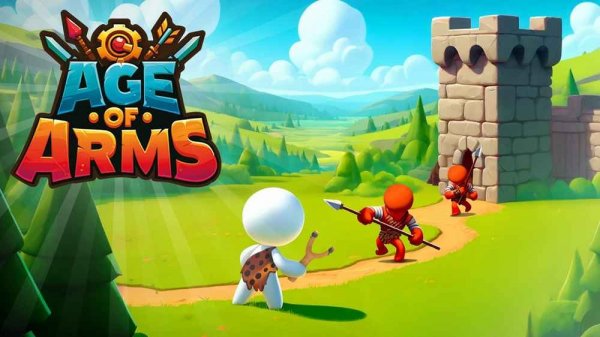
Epoch Guardian Tactics
Reviews
Epoch Guardian Tactics stands out for tying its tower defense mechanics to historical eras, which gradually introduces new units and enemy behaviors. The resource system forces meaningful choices between buying units and upgrading them, and enemy patterns reward observation. It is best suited to players who enjoy slow-burn tactical planning rather than fast-paced action. The available information does not specify multiplayer or difficulty settings, so those considering it should expect a focused single-player campaign.
About This Game
Positioning Along Fixed Paths
Epoch Guardian Tactics is a single-player tower defense game where the core objective is to stop advancing enemies by placing units along predetermined routes. Each unit type has distinct strengths, so the order in which you deploy them matters as much as where they stand. Range, attack speed, and area coverage all influence how well a formation holds. Early levels teach these basics with simpler enemy paths, while later stages require tighter arrangements and more deliberate placement to avoid gaps in coverage.
Era-Based Campaign Progression
The campaign is divided into historical periods, each with its own visual theme and tactical character. Moving from one era to the next introduces new unit types and shifts enemy behavior to match the period. This structure prevents the game from feeling static: strategies that work in one era may need adjustment in the next. Because each period builds on skills from the previous one, the transition feels gradual rather than abrupt, giving players time to adapt their approach.
Upgrades and Resource Trade-Offs
After a successful defense, you earn resources that can be spent on improving units. Upgrades may increase damage, extend range, or reduce cooldown times, and some unlock entirely new abilities. Resources are finite, so every purchase competes with buying new units or saving for a critical upgrade. Spending too freely early can leave you exposed in later waves, while hoarding resources risks failing immediate threats. This tension between short-term survival and long-term investment is central to the game's decision-making.
Reading Enemy Patterns
Enemy waves follow patterns rather than appearing randomly, which means observant players can learn and exploit them. Later levels introduce enemy types with special traits, such as faster movement or resistance to certain unit attacks. The game provides subtle cues about upcoming threats, rewarding players who pay attention and adjust their formations before a wave arrives. Success depends less on reaction speed and more on planning, making the game suited to players who enjoy methodical tactical thinking.
Editorial Notes
Compatibility
System Requirements



Comments
0 comments