Star Shield: Mechanical Invaders
Reviews
Star Shield: Mechanical Invaders delivers a classic tower defense loop: place structures, manage resources, and adapt to waves of mechanical enemies. Its strength lies in the interplay between different structure types and the need to predict enemy movement. The inclusion of limited area-effect tools adds tactical depth. The game avoids graphic content and uses intuitive mouse controls, making it suitable for a wide age range. However, players seeking narrative depth or multiplayer may find it limited. It is best for those who enjoy logical problem-solving and incremental challenge.
About This Game
Positioning Your Defensive Network
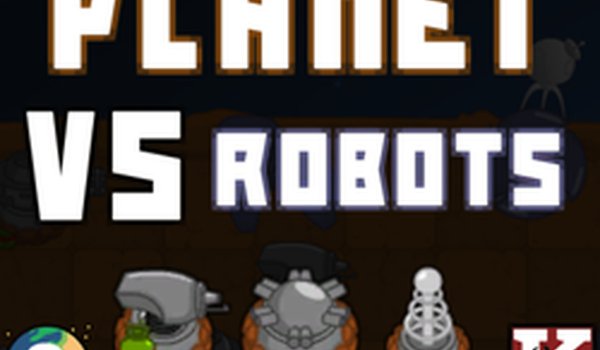
In Star Shield: Mechanical Invaders, you control a planetary defense network. Your core task is selecting defensive structures and placing them along predetermined paths. These structures fire automatically at approaching mechanical enemies. The central challenge is deciding which structures to build and where to position them for maximum coverage. Each structure type has different firing patterns and damage outputs, so combining them effectively requires experimentation.
Reading Enemy Waves
Mechanical invaders arrive in organized waves, each with a distinct mix of enemy types. Some enemies are fast but lightly built, while others are slower with reinforced frames. Later waves bring larger groups that test the efficiency of your layout. Between waves, you can adjust structure placement based on what you observed. Success depends on recognizing patterns and predicting enemy movement.
Resource Management and Area Tools
Building and maintaining defenses costs resources. You earn more by defeating enemies, creating a cycle where you balance immediate needs against long-term upgrades. The game shows clear feedback on resource accumulation, helping you decide when to expand or save for stronger options. Beyond standard structures, you have area-effect tools that clear clusters of enemies. These are limited in supply and best saved for critical moments rather than small groups.
Visual Feedback and Accessibility
Clear visual indicators show structure health and enemy status. A dedicated display tracks the condition of each defensive unit, so you can identify which ones need attention. Mouse-based controls make structure selection and placement straightforward. This accessibility suits players of various ages who enjoy strategic thinking without complex inputs.
Progression and Challenge
As you advance, enemy formations become more complex and demand refined strategies. The game focuses on logical problem-solving rather than graphic content. Success comes from understanding each defensive option's strengths and limitations, then adapting to changing conditions. This progression keeps the gameplay engaging without relying on repetitive patterns.
Editorial Notes
Compatibility
System Requirements



Comments
0 comments