Block Puzzle Classic
Reviews
Block Puzzle Classic delivers a straightforward grid-based puzzle experience. Its strengths are simplicity and lack of pressure: no timers, clear visual feedback, and controls that anyone can learn. The endless random block sequence provides replay value. The main limitation is that it offers little beyond the core mechanic, so players seeking varied modes or progression may find it repetitive. Best for casual players and puzzle fans who enjoy spatial planning.
About This Game
Core Block-Placement Mechanic
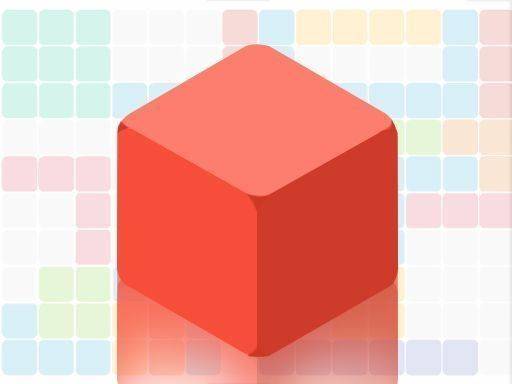
Block Puzzle Classic asks you to arrange differently shaped blocks on a grid. Each block is selected from a set shown at the bottom of the screen. You drag it to a spot on the grid, optionally rotating it first to fit better. The objective is to fill entire horizontal rows or vertical columns. When a line is complete, it disappears and awards points. The game continues until the grid is full and no more blocks can be placed. This simple loop is the entire game, and it is what makes each session different.
How a Turn Unfolds
On each turn, you choose one block from the available set. You can rotate it using a rotate button before placing it. Placement is done by tapping or clicking and dragging the block to a desired grid position. There is no time pressure, so you can think through each move. The feedback is immediate: complete a line and it clears, freeing space for subsequent blocks. The challenge comes from managing the grid so that you always have room for the next shape.
Visual Style and Pace
Bright, colorful blocks give the game a clean, appealing look. The interface is minimal, with the grid taking center stage and the block set below. Because there are no time limits, the pace is entirely up to you. This makes Block Puzzle Classic suitable for short breaks or longer, focused sessions. The lack of pressure also means mistakes are less frustrating; you can plan carefully without a clock forcing your hand.
Planning and Replayability
Each game starts fresh with a new sequence of blocks, so no two sessions play the same. The core challenge is spatial: you must visualize where a block will fit and how clearing one line might open space for others. Keeping the grid open by clearing lines frequently is a basic strategy. Planning several moves ahead helps avoid a full grid. The game rewards patience and logical thinking over reflexes.
Editorial Notes
Compatibility
System Requirements




Comments
0 comments