Friendly Machines Match Puzzle
Reviews
Friendly Machines Match Puzzle keeps its scope tight: match three or more identical machines, clear the board, and meet each level's goal. The bright visuals and tap-or-click controls make it approachable for young children, while obstacles and power-ups add just enough decision-making to hold attention. It is best suited to families wanting safe, non-violent puzzle play rather than players seeking deep strategy.
About This Game
How the Matching Works
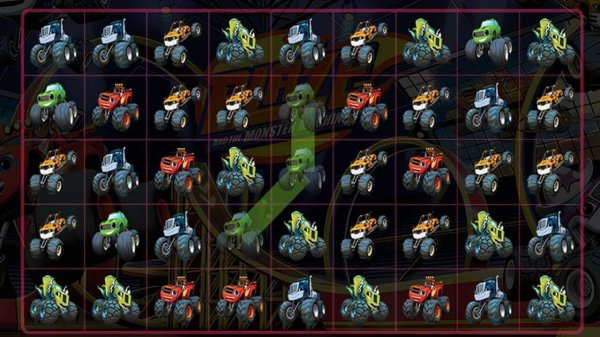
Friendly Machines Match Puzzle is built around a single, clear action: tap or click a group of three or more identical machine characters to remove them from the board. The goal on every level is to clear all the machines. Because larger groups can yield bigger rewards, the game nudges players to scan the full board before committing to a match rather than grabbing the first cluster they see.
What Changes as You Progress
Early boards keep the focus on simple grouping, but later levels introduce special obstacles and helpful power-ups. Those additions shift the decision-making: a power-up might be worth saving for a stubborn section of the board instead of using it the moment it appears. Level goals also become more specific, and meeting them earns stars that unlock new stages.
Controls and Accessibility
The controls are intentionally simple, which is why the game suits young children and family play. There is no complex input scheme to learn, so the challenge comes from spotting patterns and planning matches, not from mastering buttons. The bright, friendly visuals keep the board readable for kids while still giving them enough detail to distinguish one machine character from another.
Who It Is For
This is a puzzle game aimed at children and families, with no violent or inappropriate content. It works for solo play or as a shared activity, and the gradual difficulty curve means a young player can start with easy boards and work toward more demanding ones. The skills it exercises are observation, pattern recognition, and short-term planning.
Editorial Notes
Compatibility
System Requirements







Comments
0 comments