Shape Shift Race 3D
Reviews
Shape Shift Race 3D takes a familiar racing format and adds a single twist that changes how you play: the track shifts, and your vehicle must shift with it. The car, boat, and plane forms each handle differently, so every transition is a small decision with a visible consequence. The one-tap control scheme keeps the barrier to entry low, which suits short sessions, but the real appeal is in chasing faster times through better anticipation. It is best suited to players who enjoy reaction-based challenges rather than deep customization or long campaigns.
About This Game
One Track, Three Vehicles
Shape Shift Race 3D builds its entire race around a single decision: which vehicle form fits the ground under you right now. Roads call for the car, water calls for the boat, and open air calls for the plane. Each form handles differently, so the transition itself is part of the challenge. A mistimed switch costs speed, and on a track that shifts unexpectedly, that cost adds up fast.
Reading the Track Ahead
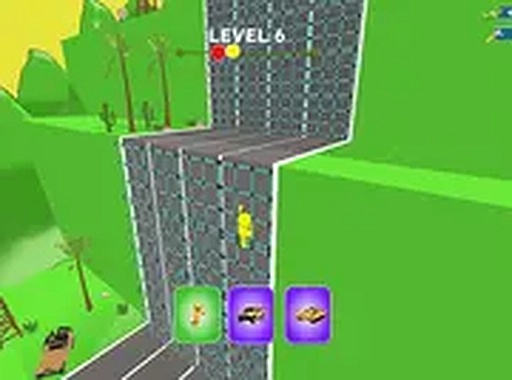
[IMG_1] The track does not stay still. Terrain changes mid-race, which means you cannot simply memorize a route and coast through it. You have to scan ahead, spot where the surface changes, and commit to a transformation before you reach it. Obstacles add a second layer: avoiding them depends on timing your shape change correctly rather than steering around them. This is why the game leans on reaction speed and precision more than on raw acceleration.
Controls and Accessibility
Tap or click is all you need to switch forms. That simplicity is deliberate. There is no complex control scheme to learn, so new players can start racing immediately, while experienced players find depth in when they switch rather than how. The game runs in a browser with no download or installation, and it works on any device. Sessions can be a few minutes or much longer, depending on how many runs you want to attempt.
Where the Skill Lives
[IMG_2] Because the controls are minimal, improvement comes from anticipation. Beginners benefit from slower runs to learn how each form behaves and where transitions tend to appear. Once the layout feels familiar, the focus shifts to maintaining speed: transforming at the last safe moment, keeping momentum through a change, and recovering quickly after a mistake. Personal best times are the natural measure of progress, and shaving seconds off a run requires consistent practice rather than luck.
Editorial Notes
Compatibility
System Requirements








Comments
0 comments