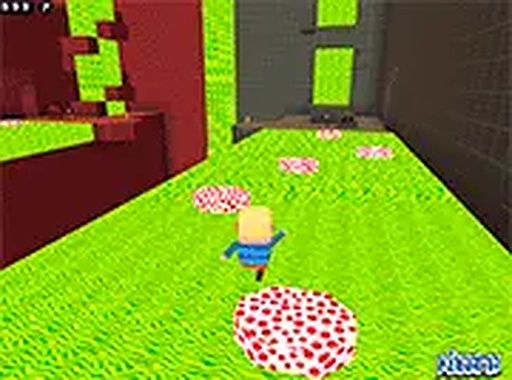
Kogama Two Player Parkour Arcade
Reviews
Kogama Two Player Parkour Arcade delivers exactly what its name suggests: a two-player online platforming experience built around timing, coordination, and spatial awareness. The cooperative and competitive modes give the same stages two distinct purposes, which extends replay value without adding complexity. Acid block hazards and optional star collection create meaningful risk-reward decisions. The simple keyboard controls and colorful visuals make it approachable for families, though the precision required for later obstacles means younger players may need practice. It is best suited to friends or family members who enjoy skill-based challenges in a lighthearted setting.
About This Game
Two-Player Platforming Basics
Kogama Two Player Parkour Arcade is an online platforming game built for exactly two participants. Each player controls a character using keyboard inputs, typically the arrow keys or WASD, to move and jump across a series of colorful stages filled with platforms and obstacles. The main objective is to reach the end of each course. Stars scattered along the way add an optional collection goal, while hazards like acid blocks demand careful timing to avoid. The game supports both cooperative play, where the pair works together to progress, and competitive play, where they race to finish first.
Cooperation and Competition
The dual-mode structure changes how the two players approach each stage. In cooperative mode, communication helps coordinate jumps and timing, especially around acid blocks that can end a run or slow progress. In competitive mode, individual focus and quick reactions matter more, since the first to reach the finish wins. Both modes rely on the same core mechanics, so switching between them does not require learning new controls.
Controls and Getting Started
Movement uses standard keyboard inputs: arrow keys or WASD to move and jump. To begin, open the game, invite a friend, and start jumping together. A full-screen mode is available for a clearer view of obstacles. The online nature allows friends to join from different locations, making it easy to play together without being in the same room.
Practical Tips for Better Runs
Timing and spatial awareness are the two skills that matter most. Practicing jumps on early platforms helps build consistency before attempting trickier sections. When playing cooperatively, talking through who moves first near acid blocks reduces accidental falls. Collecting stars is tempting, but prioritizing hazard avoidance keeps runs alive longer. Using full-screen mode makes it easier to judge distances between platforms. Regular practice teaches the layout of each stage, which gradually improves reaction speed and route planning.
Editorial Notes
Compatibility
System Requirements





Comments
0 comments